
In the realm of business travel, saving costs is paramount for companies seeking to enhance their financial performance. This guide delves into practical strategies that can help organizations optimize their travel expenses, benefiting both their employees and the overall bottom line.
The subsequent paragraphs will offer detailed insights into various cost-saving measures that can be implemented effectively.
Introduction to Business Travel Cost-Saving Tips
Business travel is an integral part of many companies' operations, allowing employees to attend meetings, conferences, and other important events. However, managing travel expenses is crucial for companies to maintain financial stability and profitability.
Optimizing travel expenses can significantly impact a company's bottom line by reducing unnecessary costs and maximizing resources. Implementing cost-saving strategies not only helps in cutting down expenses but also allows the organization to allocate funds more efficiently towards other business priorities.
Benefits of Implementing Cost-Saving Strategies
- Enhanced Financial Performance: By minimizing travel expenses, companies can improve their overall financial health and achieve better profitability.
- Employee Satisfaction: Implementing cost-saving measures can lead to higher employee satisfaction as it demonstrates responsible and efficient use of company resources.
- Competitive Advantage: Companies that effectively manage travel costs can gain a competitive edge by offering more cost-effective services or products to clients.
- Resource Optimization: Utilizing cost-saving strategies allows companies to allocate resources effectively and prioritize investments in areas that drive growth and innovation.
Pre-Trip Planning Strategies
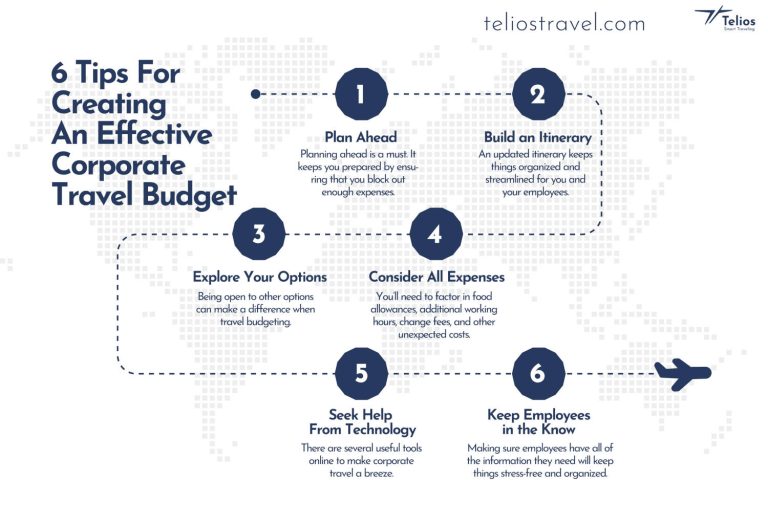
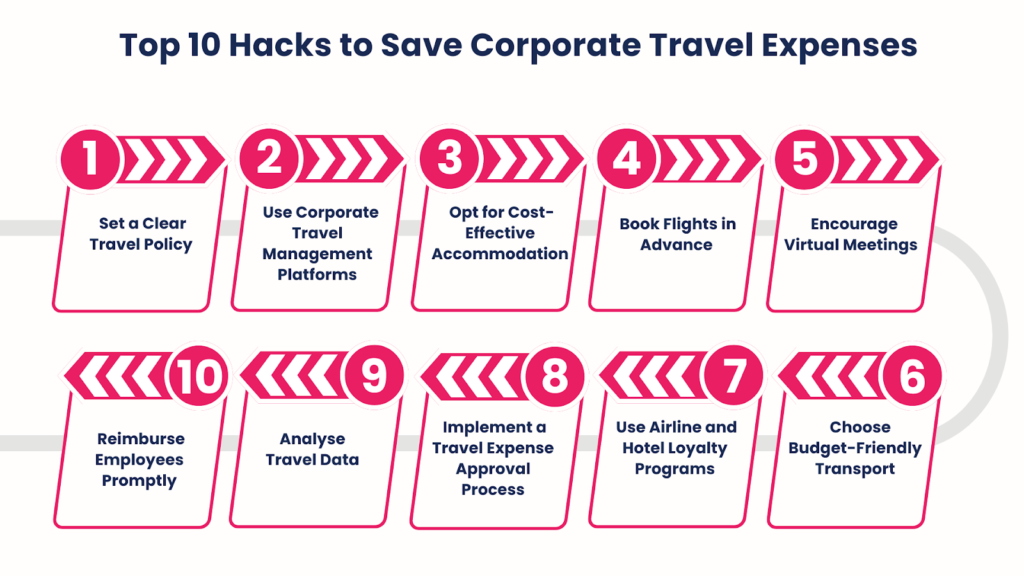
Planning ahead is crucial for saving costs on business travel. By setting clear travel policies and guidelines for employees, companies can ensure that expenses are kept in check. Advance booking, opting for flexible travel dates, and choosing budget-friendly accommodations are key strategies to reduce overall travel expenses.Setting Clear Travel Policies
- Establish clear guidelines on what expenses are covered by the company and what expenses employees are expected to cover themselves.
- Define the process for booking flights, accommodation, and other travel arrangements to ensure cost-effective choices are made.
- Encourage employees to book in advance to take advantage of lower prices.
Advance Booking and Flexible Travel Dates
- Encourage employees to book flights and accommodations well in advance to secure better rates.
- Consider allowing flexible travel dates to take advantage of cheaper options.
- Monitor price trends and book when prices are at their lowest.
Choosing Budget-Friendly Accommodations
- Look for hotels or accommodations that offer corporate rates or discounts for business travelers.
- Consider alternative options such as Airbnb or serviced apartments for longer stays.
- Prioritize location and amenities that align with business needs while still being cost-effective.
Transportation Cost Optimization
By focusing on transportation cost optimization, companies can significantly reduce expenses related to business travel. This involves exploring various strategies to save money on transportation costs and make efficient choices to cut down on overall travel expenses.Benefits of Public Transportation and Carpooling
Utilizing public transportation or carpooling can be a cost-effective alternative to individual car rentals. Not only does it help in reducing fuel and parking expenses, but it also contributes to environmental sustainability by decreasing carbon emissions. By encouraging employees to carpool or use public transportation, companies can promote a more eco-friendly approach to business travel while saving on transportation costs.Leveraging Loyalty Programs and Corporate Discounts
One effective way to optimize transportation costs is by taking advantage of loyalty programs offered by airlines, rental car companies, and other transportation providers. By accumulating miles or points through these programs, companies can enjoy discounted fares or even free travel in the long run. Additionally, negotiating corporate discounts with transportation vendors can lead to significant savings on regular travel expenses. Another cost-saving tip is to book transportation services in advance to secure lower rates and avoid last-minute price hikes.Accommodation Cost Management
When it comes to managing accommodation costs for business trips, companies can implement various strategies to save money while ensuring their employees have a comfortable place to stay. By exploring options like corporate rates, negotiating long-term stays, or considering alternative lodging, businesses can effectively balance cost-effectiveness and employee satisfaction.Corporate Rates and Negotiation Strategies
Opting for corporate rates at hotels can lead to significant cost savings for companies sending employees on frequent business trips. These negotiated rates are often lower than standard prices and can be secured by establishing partnerships with specific hotel chains or booking platforms.
Additionally, negotiating long-term stays with accommodations providers can result in discounted rates for extended periods. By committing to a certain number of nights or booking multiple stays in advance, companies can benefit from reduced prices and better budget control.
Alternative Lodging Options
Exploring alternative lodging options such as serviced apartments, vacation rentals, or corporate housing can offer cost-effective solutions for business travelers. These accommodations often provide more space, kitchen facilities, and amenities compared to traditional hotels, making them suitable for longer stays and cost savings.
Companies can also consider platforms like Airbnb or Booking.com for a wider range of lodging choices at competitive prices. By leveraging these alternative options, businesses can diversify their accommodation solutions and find the best combination of comfort and affordability for their employees.
Meal and Entertainment Expense Reduction
When it comes to business travel, managing meal and entertainment expenses is crucial for companies looking to save costs. By implementing effective strategies, setting daily meal allowances, and utilizing expense management tools, companies can significantly reduce their expenses while ensuring their employees are well taken care of during their travels.Setting Daily Meal Allowances
One effective way to control meal expenses is by setting daily meal allowances for employees. By establishing a fixed amount that employees can spend on meals each day, companies can keep track of expenses and prevent overspending. This not only helps in budgeting but also encourages employees to make cost-effective choices when dining.
Utilizing Expense Management Tools
Expense management tools can be a game-changer when it comes to controlling meal and entertainment costs. These tools allow employees to track their expenses in real-time, submit receipts digitally, and ensure compliance with company policies. By using such tools, companies can streamline their expense reimbursement process and identify areas where costs can be reduced.
Finding Local Dining Deals and Networking Opportunities
Encouraging employees to look for local dining deals can help in reducing meal expenses significantly. Whether it's using apps for discounts or exploring affordable dining options, being mindful of where to eat can make a difference in overall costs. Additionally, networking opportunities can arise during business meals, so choosing cost-effective yet reputable restaurants can be beneficial for both business and budget.
Exploring Cost-Effective Entertainment Options
When it comes to entertainment expenses, companies can opt for cost-effective options such as free networking events, industry conferences, or cultural activities. By planning ahead and researching local events, companies can provide employees with engaging entertainment options without breaking the bank. This not only helps in saving costs but also adds value to the overall business travel experience.
Expense Reporting and Monitoring
Tracking and analyzing expenses for business travel is crucial for companies to ensure cost-effectiveness and budget control. By monitoring expenses closely, organizations can identify areas of overspending, track trends, and make informed decisions to optimize their travel spending.
Role of Automated Expense Reporting Systems
Automated expense reporting systems play a vital role in streamlining the process of expense management for business travel. These systems help in capturing expenses accurately, reducing manual errors, and providing real-time visibility into travel costs. By automating the expense reporting process, companies can save time, improve compliance, and identify cost-saving opportunities more efficiently.
Best Practices for Monitoring Expenses
- Establish clear expense policies: Define guidelines and limits for travel expenses to ensure compliance and control.
- Regularly review and analyze expenses: Monitor spending patterns, identify trends, and address any deviations from the set budget.
- Utilize data analytics tools: Leverage technology to track expenses, analyze data, and generate reports for better decision-making.
- Implement cost-saving strategies: Encourage employees to book in advance, choose cost-effective options, and adhere to company policies to minimize expenses.
- Conduct regular audits: Audit expense reports to detect any anomalies, errors, or potential areas for improvement.
Last Recap
As we conclude our discussion on Business Travel Cost-Saving Tips for Companies, it's evident that with careful planning and adherence to smart strategies, organizations can achieve significant savings while ensuring a productive and comfortable travel experience for their employees.
Q&A
How can setting clear travel policies benefit companies?
Clear travel policies help in ensuring that employees understand the guidelines and expectations, leading to more responsible spending and adherence to budget constraints.
Why is leveraging loyalty programs important for reducing airfare expenses?
Loyalty programs can offer discounts and rewards that accumulate over time, resulting in significant savings on frequent business travel.
What are the advantages of negotiating long-term stays for accommodations?
Negotiating long-term stays can often lead to discounted rates, providing cost savings for companies with regular travel requirements.
How can expense management tools help in controlling meal and entertainment costs?
Expense management tools allow companies to set limits, track spending, and streamline reimbursement processes, ensuring better control over costs related to meals and entertainment.
Why is automated expense reporting essential for optimizing travel spending?
Automated expense reporting systems help in identifying patterns, trends, and areas of overspending, allowing companies to make informed decisions to improve cost efficiency in business travel.







![Best Seniors Travel Insurance Over 65 Quotes [Compare Rates]](https://hosting.banyumasekspres.id/wp-content/uploads/2026/05/Travel-Insurance-Coverage-For-Seniors-1024x576-1-120x86.png)